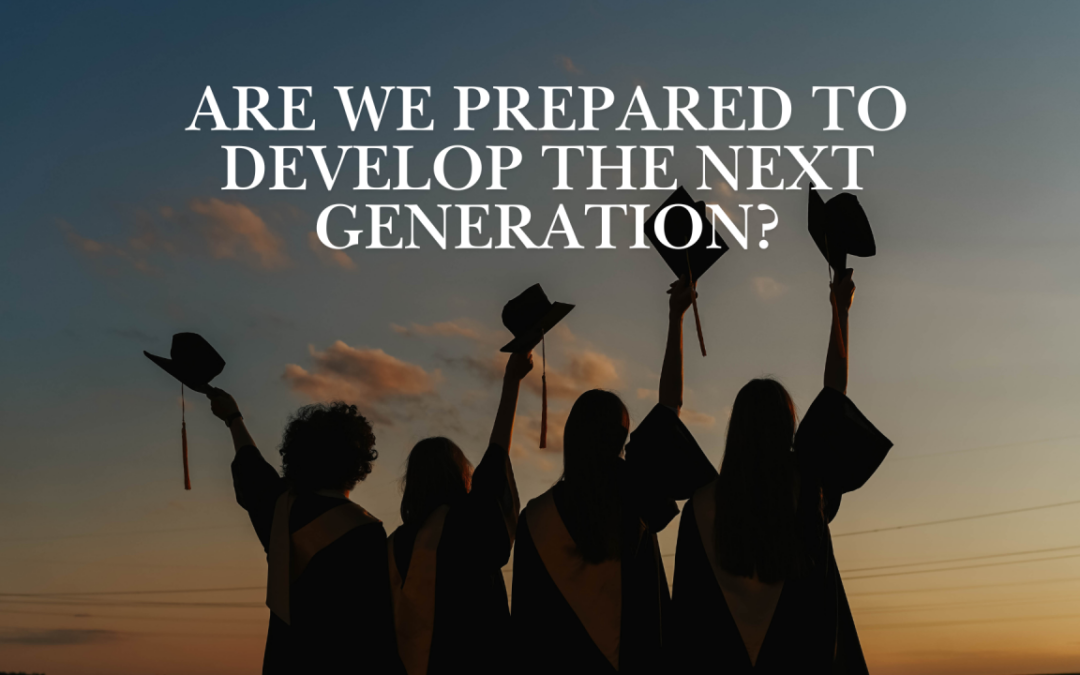
In today’s rapidly evolving workplace, organizations are facing a critical challenge: a leadership skills gap that hinders the ability to effectively lead, coach, and develop new hires from younger generations.
With Gen Z and younger Millennials bringing different expectations, work habits, and career aspirations to the table, leaders must adapt their approaches to remain effective.
However, research suggests many organizations are struggling to equip managers with the skills necessary to bridge this gap.
The Leadership Deficit

Recent studies highlight a growing concern that leaders are not sufficiently prepared to support and develop younger employees. According to the Global Leadership Forecast 2023 by DDI, only 28% of HR professionals believe their organizations have a strong leadership pipeline capable of meeting future workforce needs. Additionally, a report from McKinsey & Company found that just 37% of employees feel their leaders are effective at developing talent (McKinsey & Co.).
Further, a Gallup report indicates that 60% of Millennials are open to new job opportunities at any given time, citing a lack of professional development and meaningful coaching as key reasons for disengagement (Gallup). This underscores the necessity for leaders to enhance their ability to mentor and retain young professionals.
Why the Gap Exists

1. Traditional Leadership Training Falls Short – Many organizations rely on outdated leadership development programs that emphasize hierarchical management rather than coaching, mentorship, and empowerment.
2. Changing Workforce Expectations – Younger generations prioritize continuous feedback, career growth, and purpose-driven work, which many leaders are not trained to facilitate effectively.
3. Lack of Coaching Competency – A study by Harvard Business Review revealed that only 30% of leaders exhibit strong coaching skills—a critical competency for engaging and retaining younger talent (HBR).
4. Time Constraints & Managerial Burnout – With increasing demands, many managers lack the time or resources to provide the level of development and coaching that new hires expect.
Closing the Gap: What Can Organizations Do?

The good news? Organizations can take concrete steps to bridge this leadership gap and better prepare managers for the modern workforce.
1. Redefine Leadership Development – Move beyond traditional training to incorporate hands-on mentorship, real-time coaching, and reverse mentoring programs where younger employees share insights with leaders.
2. Invest in Coaching & Soft Skills – Leadership training should emphasize active listening, emotional intelligence, and feedback strategies that align with Gen Z and Millennial expectations.
3. Create a Culture of Continuous Learning – Encourage leaders to seek development opportunities themselves, ensuring they stay adaptable to new workforce trends.
4. Leverage Technology for Engagement – Younger employees are accustomed to digital tools. Integrating AI-driven coaching apps and digital feedback platforms can enhance leadership effectiveness.
Organizations that proactively address this leadership gap will gain a competitive advantage by fostering a more engaged, high-performing workforce. Developing leaders who can coach, inspire, and retain younger employees is not just a “nice-to-have” but a business imperative for future success.
Are your leaders equipped to guide the next generation? If not, it’s time to reimagine leadership development. Our LEAP program addresses all of these issues and so much more, reach out to get started today!